China's Oil Vulnerability and Hidden Advantage: Why It May Weather a Strait of Hormuz Disruption Better Than Expected
China buys more oil passing through the Strait of Hormuz than any other country, making it uniquely exposed to disruption. But new analysis suggests China is also the most prepared among major buyers to absorb a shock through diversification and strategic stockpiling.
China faces a paradox at one of the world’s most critical oil chokepoints. As the largest buyer of oil passing through the Strait of Hormuz, it is deeply exposed to disruption of this vital waterway. Yet according to recent reporting, China is also the most prepared among major oil importers to function without it. Understanding this tension is essential for anyone tracking energy security, geopolitical risk, and the fragility of global supply chains.
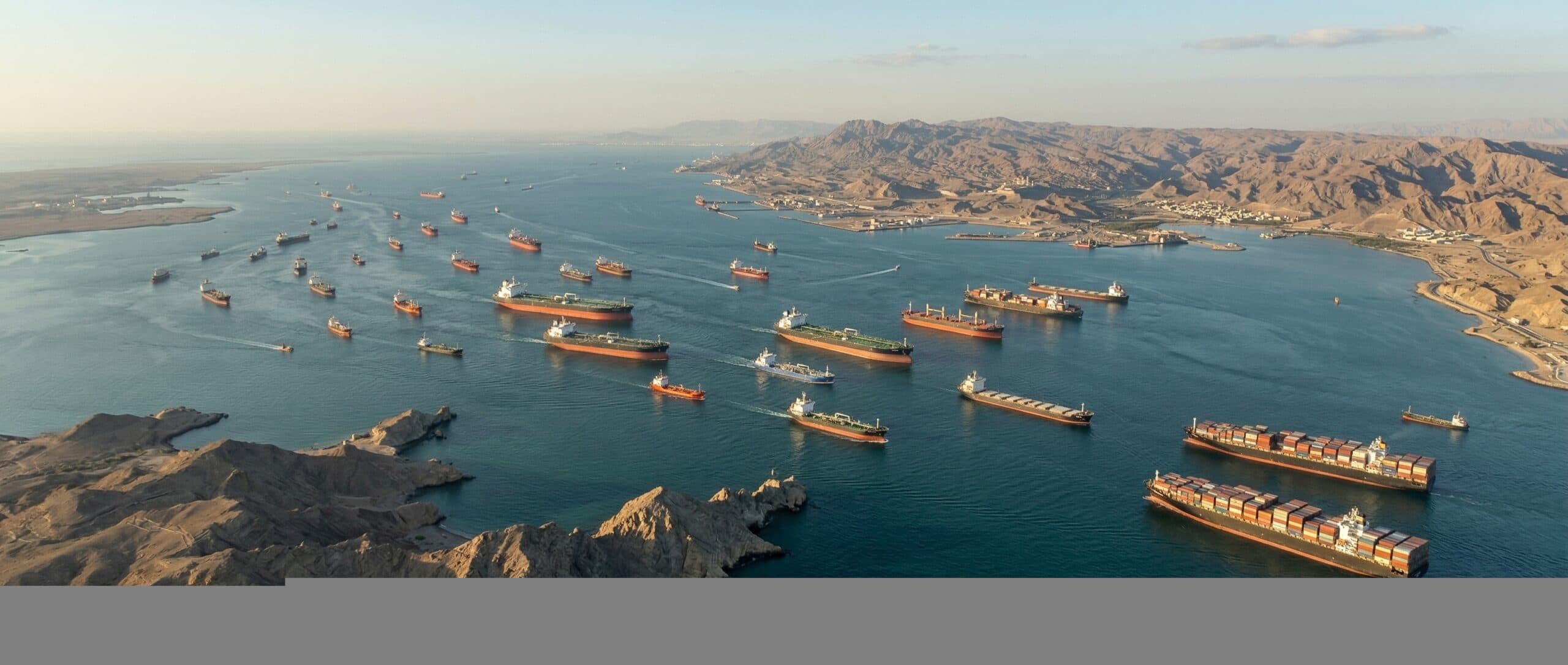
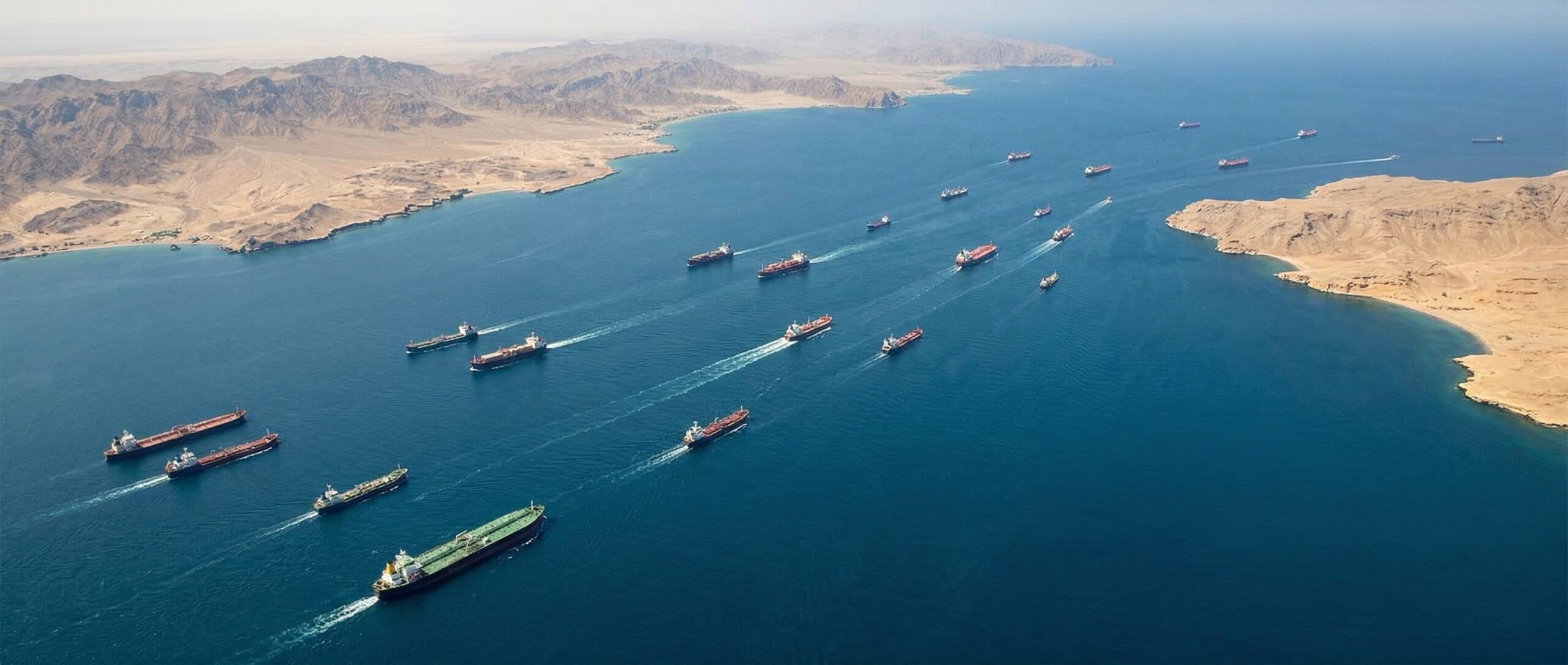
The Strait of Hormuz connects the Persian Gulf to the Gulf of Oman and the Arabian Sea, serving as the passage for roughly one-third of all seaborne traded oil globally. For China, the stakes are even higher. A significant portion of China’s imported oil flows through this narrow strait, making energy security at Hormuz a central concern for Chinese planners and policymakers. But that dependence does not tell the whole story.
The strategic insight emerging from current analysis is that China, despite being the top buyer of Hormuz-linked oil, has built an energy security posture designed to absorb the shock of a disruption. This is a story about how vulnerability and preparedness can coexist in modern energy strategy, and why the global implications of that balance matter.
The Core Question: What Happens If Hormuz Is Disrupted?
The Strait of Hormuz is more than a shipping route; it is a chokepoint in the circulatory system of global energy flows. At its narrowest point, the strait is only 21 miles wide, and the navigable shipping lanes are even narrower. This geographic constraint has made Hormuz one of the world’s most strategically important and vulnerable passages for oil transport. Any disruption—whether from military conflict, accident, sanctions, or political crisis—can ripple through global energy markets within days.
China’s connection to this vulnerability is direct and substantial. China is the largest single buyer of oil that passes through the Strait of Hormuz, making it the country with the most at stake if the waterway is compromised. This is not a minor source of supply for China; crude oil imported through Hormuz represents a critical portion of the energy that powers Chinese industry, transportation, and electricity generation.
The risk being discussed here is not a confirmed shutdown or military blockade, but rather the potential for disruption. Historical incidents—attacks on tankers, naval standoffs, missile tests near shipping lanes—have demonstrated how quickly a chokepoint can become a crisis. For a country as energy-dependent and economically integrated into global trade as China, even a temporary disruption creates cascading effects: rising oil prices, supply uncertainty, delayed production, and broader economic slowdown.
Why China Is Exposed
China’s exposure to Hormuz-linked oil flows is structural and difficult to escape in the short term. China imports roughly 70 percent of its crude oil from abroad, and a significant fraction of those imports transit through the Strait of Hormuz. This creates real vulnerability: if the strait is blocked or severely disrupted, China faces the immediate problem of finding alternative sources and routes, a process that cannot happen instantly.
The economic consequences of such disruption would be severe. Oil price shocks ripple through manufacturing, transportation, power generation, and consumer prices. For China, which is the world’s largest manufacturing hub and a major energy consumer, even a brief supply interruption can amplify across the economy. Refineries may have to reduce output or shift to costlier alternative crudes. Power plants reliant on oil may struggle. The uncertainty alone affects business planning, investment decisions, and confidence in supply security.
Beyond the immediate economic impact, a Hormuz disruption would underscore a fundamental strategic vulnerability: China’s energy security depends partly on the stability of a region where China has limited direct control. The Middle East remains the largest source of China’s imported oil, and the Strait of Hormuz is the natural exit for that supply. This geographic reality has driven Chinese energy policy for decades, but it also explains why the question of preparedness has become increasingly central to Chinese strategic planning.
Why China May Be Better Prepared Than Many Expect
Here is where the story takes an analytical turn. According to reporting from Reuters, China is described as the most prepared among major oil buyers to do without Hormuz-linked oil. This claim might seem counterintuitive given China’s top-buyer status, but it reflects a strategic distinction between raw dependence and built-in resilience.
China’s preparedness rests on several strategic pillars that have been developed over years of deliberate energy-security planning. First, China has invested heavily in supply diversification. Rather than relying on a single source region, China has cultivated oil imports from Russia, Central Asia, Africa, and other producers outside the Middle East. This geographic spread means that even if one major route is compromised, alternative supplies and routes remain available.
Second, China maintains substantial strategic petroleum reserves. These reserves are held in storage facilities across the country and serve as a buffer against supply shocks. In the event of a disruption, these reserves can be released gradually to meet immediate demand while alternative supply arrangements are activated. The size and accessibility of these reserves give China a time cushion that other major importers may lack.
Third, China has invested in alternative supply routes and infrastructure designed to bypass or reduce dependence on maritime passages through chokepoints like Hormuz. Pipelines from Russia, Central Asia, and other neighbors provide overland alternatives. While these pipelines have capacity constraints and their own geopolitical complexities, they offer options that pure Hormuz dependence would not provide.
The combination of these measures—diversified sourcing, strategic reserves, alternative routes, and ongoing energy-security planning—creates what analysts describe as relative preparedness. This does not mean China is immune from a Hormuz disruption or that it would face no economic pain. Rather, it means China has built redundancy and flexibility into its energy system in a way that reduces the immediate impact and extends the time available for adaptation.
The Broader System Consequences
Understanding China’s position is not merely an exercise in Chinese energy policy; it has implications for the entire global energy system. China’s size in the global economy and its role as a manufacturing center means that supply shocks affecting China ripple outward quickly. If China is better positioned than other major importers to absorb a Hormuz disruption, that shifts the expected cascading effects of such an event.
Other major oil importers face different constraints. Japan, South Korea, and Europe also depend significantly on Hormuz-linked oil, but their energy-security infrastructure differs from China’s. They may have less strategic storage capacity, fewer alternative pipeline routes, or different geopolitical relationships that limit diversification options. If China can sustain supply through alternative means while other importers struggle, the geopolitical leverage and market dynamics of a crisis shift accordingly.
Moreover, a disruption at Hormuz would affect global oil prices regardless of individual countries’ preparedness. If one-third of globally traded oil cannot flow through the strait, prices rise for everyone. But the magnitude and duration of that price shock depends partly on how quickly major buyers can stabilize their own supply. If China, as the largest buyer of Hormuz oil, can do so relatively quickly, the shock may be less severe than if China faced severe shortages and was forced into emergency market purchases at peak prices.
This dynamic illustrates why energy security is not just a national interest but a systems question. The preparedness of the largest player affects the stability of the entire market. China’s investments in resilience thus have global consequences, even if the immediate motivation is national interest.
What the Reporting Implies, and What It Does Not
It is important to be precise about what the characterization of China as prepared actually means, and what it does not mean. The claim is fundamentally about relative preparedness, not absolute immunity. China is better positioned than many other major importers to manage without Hormuz-linked oil, but that does not mean disruption would be painless or that China would face no economic consequences.
Strategic reserves can be drawn down, but they are finite. Alternative supply routes have capacity limits. Diversification reduces but does not eliminate vulnerability. The point is that China has built structures and options that allow it to sustain supply and adapt, whereas a country with no alternatives would face an immediate and severe crisis.
There are also uncertainties that deserve acknowledgment. The precise size, accessibility, and release strategy of China’s strategic reserves are not fully transparent in public reporting. The capacity of alternative pipeline routes and the geopolitical constraints on their use can change. And the nature of a hypothetical disruption matters greatly; a complete blockade for an extended period would test even well-prepared infrastructure far more severely than a brief interruption.
The reporting framework emphasizes preparedness and resilience, not inevitability of impact. Readers should interpret this as an analysis of how China’s strategic positioning reduces the immediate shock of a disruption, not as a claim that China would be unaffected or that global energy markets would stabilize quickly.
Why This Story Belongs in Geopolitics, Not Just Energy Coverage
On the surface, this is an energy-market story: oil flows, chokepoints, supply diversification. But the deeper significance is geopolitical. The Strait of Hormuz is not just a shipping lane; it is a strategic chokepoint where national interests, military power, and international leverage converge. Control over oil supply is control over economic stability and national power. Preparation for disruption is an exercise in statecraft and strategic planning.
China’s energy-security posture reflects broader strategic thinking about power, resilience, and independence. By investing in supply diversification, storage capacity, and alternative routes, China is not just solving a logistics problem; it is reducing its vulnerability to coercion and disruption by hostile actors or unstable events. This is energy security as geopolitical strategy.
Conversely, the focus on Hormuz as a critical chokepoint reflects the reality that oil supply remains a lever of international power. Countries and non-state actors have repeatedly used the threat or reality of disrupting Hormuz to pursue political and strategic objectives. The fact that China is working to reduce its vulnerability to such disruption is itself a statement about how it views the landscape of global power and risk.
For readers tracking geopolitical trends, this story signals that major powers are responding to chokepoint vulnerabilities with strategic planning and infrastructure investment. It also suggests that the impact of potential disruptions is not uniformly distributed; some countries are building resilience while others remain more exposed. This unevenness matters for how crises develop and resolve.
What Readers Need to Know
The central takeaway is a combination of two realities: China is highly exposed to Hormuz-linked oil flows, but China is also unusually prepared for a disruption relative to other major importers. This is not a story where vulnerability and preparedness cancel each other out. Rather, it is a story about how a major economy can be both deeply dependent on a critical chokepoint and strategically positioned to reduce the impact of its disruption.
For energy-market followers, the implication is that a Hormuz disruption would likely cause global oil prices to spike, but that China might stabilize relatively faster than expected, which could influence how the broader market shock develops. For geopolitical analysts, the story reinforces that major powers are actively planning for and investing in resilience against systemic shocks. For business and policy professionals, it underscores the importance of supply-chain diversification and contingency planning in a world where chokepoints remain critical vulnerabilities.
The broader lesson is that dependence and disruption risk are not binary questions; they are matters of degree, and the degree can be shaped by strategic planning, investment, and foresight. China’s position in the Strait of Hormuz story is not one of passive vulnerability but of active management of complex geopolitical and energy-security challenges.
Frequently Asked Questions
Why is the Strait of Hormuz important to China?
Because China is the top buyer of oil passing through the strait, any disruption could affect a major source of supply. A significant portion of China’s imported oil—and China imports roughly 70 percent of its crude oil—flows through this narrow waterway. This makes Hormuz a chokepoint in China’s energy security.
Can China survive without the Strait of Hormuz?
The reporting suggests China is better prepared than many buyers to function without that oil in the medium term, but that does not mean disruption would be painless or irrelevant. China has strategic reserves, alternative supply routes, and diversified sourcing that provide options, but complete immunity is not realistic. A disruption would still create economic costs and market disruptions.
What makes China more prepared than other countries?
According to the analysis, China has built a more resilient energy-security posture through supply diversification from Russia, Central Asia, and Africa; substantial strategic petroleum reserves held in storage facilities; and alternative pipeline routes that bypass maritime chokepoints. These measures work together to reduce immediate vulnerability, though they have limits.
Is China less dependent on oil from Hormuz than it looks?
China remains the top buyer of oil passing through the strait, so the dependence is real and substantial. However, the strategic point is that preparedness and resilience can reduce the impact of disruption. China is not less dependent in absolute terms, but it is better equipped to manage the consequences of disruption than many other major importers.
Why does this matter beyond China?
The Strait of Hormuz is a global chokepoint carrying roughly one-third of all seaborne traded oil. Any disruption there affects energy prices worldwide and can trigger cascading economic effects. Moreover, how the largest buyer of Hormuz oil responds to a potential disruption influences market stability and the broader geopolitical implications of such an event.
Is this a news event or an analysis piece?
This is a geopolitical analysis grounded in current reporting about China’s energy security and its position relative to the Strait of Hormuz. The topic is timely because it addresses both immediate chokepoint vulnerabilities and longer-term strategic planning in a world where energy security remains central to national power.