How a Possible Iran War Off-Ramp Repriced Global Markets in Hours
Fresh reporting shows that even speculation about de-escalation in the Iran conflict can move stocks, currencies, and oil prices simultaneously. The speed of the repricing reveals how sensitive the global economy has become to geopolitical risk.
Wall Street rallied, the dollar weakened, and oil-related inflation fears eased—all within hours of traders beginning to speculate that the Iran conflict might have a potential off-ramp. The speed of the repricing was striking not because any single market moved dramatically, but because multiple asset classes shifted in coordinated ways based on nothing more than tentative de-escalation hopes. That reaction, reported by Reuters and Bloomberg late in March, offers a window into how geopolitical risk now transmits through the global economy with unusual velocity.
The story matters less as a trading recap than as a signal of market fragility and sensitivity. When a war that may not even resolve suddenly changes expectations across stocks, currencies, energy prices, and inflation forecasts simultaneously, it reveals something important about how the modern financial system prices geopolitical uncertainty. A hint of peace can move trillions of dollars in valuation in a matter of hours.
For investors, policymakers, and anyone tracking the real-world consequences of conflict-driven economic shocks, this repricing event is instructive. It shows the chain by which battlefield uncertainty translates into inflation expectations, currency flows, and equity valuations. It also highlights the risk: if geopolitical sentiment can swing this fast in one direction, it can swing just as fast in the other.
What Markets Moved, and Why
According to Reuters reporting on Wall Street activity, traders began positioning for a possible de-escalation path in the Iran conflict, driving equities higher. The logic was straightforward: if the war risk eases, some of the premium built into energy prices, inflation expectations, and risk aversion can come out of the market. That logic cascaded across asset classes.
The dollar, typically a safe-haven currency that rises when investors fear trouble, weakened as the geopolitical temperature appeared to cool. Reuters reported that the dollar dropped as traders reassessed safe-haven positioning, meaning investors were pulling back from defensive currency positions and moving capital into riskier assets. That reversal of safe-haven demand is a powerful signal: it says market participants believe the immediate threat environment has shifted.
Bloomberg’s coverage of late-March market moves noted that a rebound in equities coincided with the easing of war-related shock fears. Stocks that had been pressured by inflation concerns tied to potential oil disruption began to recover. It was not a shock move upward—it was a systematic repricing of downside risk in conflict-exposed sectors and a broadening of confidence in less-defensive positions.
The timing matters. These moves happened not because any geopolitical conflict had been resolved, but because market participants were responding to the possibility of resolution. That is a crucial distinction and one that reveals how forward-looking asset pricing can be in a high-uncertainty environment.
The Transmission Chain: From War Expectations to Macro Pricing
To understand why a possible off-ramp in the Iran conflict can move global stocks, the dollar, and inflation expectations, it helps to trace the chain of transmission. It is not a direct line from military developments to market prices; instead, it flows through several critical intermediaries.
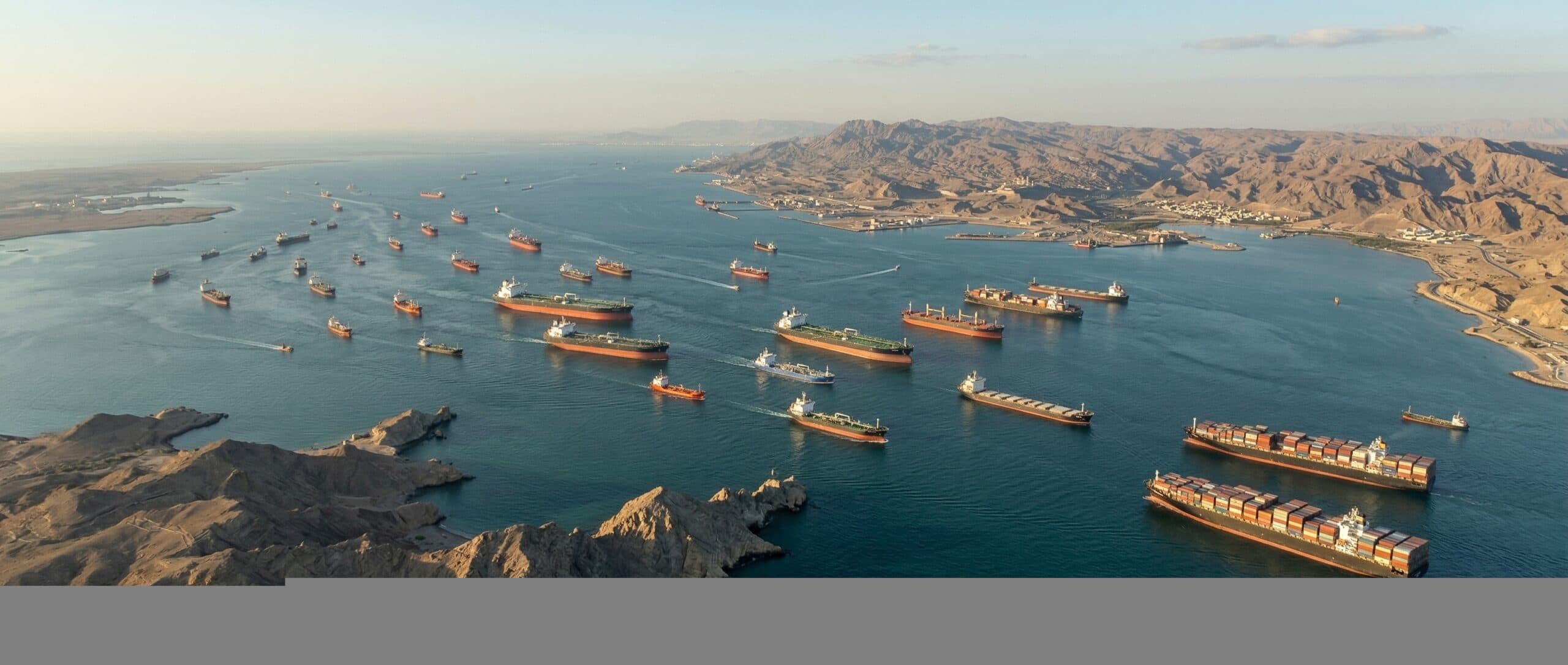
Start with oil. The Iran conflict creates concerns about energy supply disruption, transport risk through key shipping lanes, and geopolitical premium in crude prices. When investors fear that the conflict could widen or persist, they price in higher expected oil costs. That expectation is not just important for energy traders; it ripples through the entire economy.
Higher oil prices feed into inflation expectations. Central banks, businesses, and households all adjust their outlooks for price growth when energy costs are elevated or rising. That inflation expectation then influences other asset classes. Stocks become less attractive if investors expect higher inflation to erode returns or prompt aggressive rate hikes. Bonds become cheaper as real yields compress. The dollar can move in either direction depending on whether the inflation expectation raises or lowers the perceived appeal of dollar-denominated assets and real returns.
A possible off-ramp to the Iran conflict reverses this sequence. If the conflict risk eases, expected oil prices can moderate. Lower oil expectations reduce inflation pressure. That, in turn, eases pressure on central banks to keep rates elevated longer or to shock the economy with sharp tightening. Equities become more attractive again. Safe-haven demand for the dollar diminishes because the risk environment feels less threatening. Risk appetite can expand across the board.
This is not speculation on the mechanics; it is the observable chain that played out in late March. Traders were not waiting for oil prices to fall before repricing stocks. They were repricing expectations of what oil would do, and that change in expectation immediately moved equities and currencies. That speed is what makes this repricing event so significant.
Why This Repricing Matters Beyond a Single Trading Day
It would be easy to dismiss the late-March market move as a routine bounce or the kind of tactical rebalancing that happens constantly in financial markets. But the underlying story is more substantial. The fact that a geopolitical headline—and not even a confirmed resolution, but merely speculation about one—could move global asset prices across multiple markets in hours reveals something important about the current state of the global economy.
First, it shows that geopolitical risk is now a live variable in mainstream macro pricing, not a background concern relegated to emerging-market specialists or military analysts. Major asset classes, major currencies, and major commodities are all sensitized to conflict headlines. That was not always the case to this degree.
Second, it reveals the leverage and interconnectedness in the global system. A change in expected energy costs, via a change in geopolitical risk, can alter valuation assumptions across stocks, bonds, currencies, and commodities nearly simultaneously. That level of linkage suggests that if repricing were to reverse—if de-escalation hopes were dashed and conflict risk spiked again—the reversal could be just as fast and potentially more disruptive.
Third, the speed of repricing suggests that investors are operating with heightened sensitivity to new information. Markets are not slowly repricing; they are snapping to new signals quickly. That can be efficient, but it can also mean that confidence can shift rapidly and that positions can unwind quickly if sentiment changes.
What This Means for Investors, Policymakers, and the Real Economy
For investors, the takeaway is clear: geopolitical risk is a material factor in portfolio construction and positioning. It is not enough to monitor traditional macro indicators like growth, unemployment, and inflation. Conflict headlines, de-escalation rumors, and changes in war expectations can reprice assets within hours. That requires active monitoring and the willingness to adjust positioning based on geopolitical developments as well as economic data.
For policymakers, the repricing event is a reminder that wars and conflicts are not solely security or humanitarian matters; they are also macroeconomic events. A conflict that spikes oil prices, raises inflation expectations, and reduces business and consumer confidence can be as economically disruptive as a severe recession. Central banks, finance ministries, and international organizations need to account for geopolitical shocks in their forecasts and policy frameworks.
For businesses and households, the rapid repricing highlights the vulnerability of the global supply chain and energy system to geopolitical disruption. Companies dependent on imported energy or materials sourced from conflict-adjacent regions face faster changes in input costs and financing conditions. Households face faster shifts in energy prices and inflation expectations. The repricing in late March was only speculative de-escalation; a return to conflict escalation could reverse gains and create fresh pressure on costs and confidence.
The Uncertainty Built Into the Market Response
It is important to ground this analysis in a clear acknowledgment of what is and is not known. The market move in late March was a response to speculation about a possible off-ramp, not to a confirmed de-escalation, a ceasefire agreement, or any resolution of underlying tensions. Reuters and Bloomberg reported that traders were betting on the possibility of reduced conflict, not that the conflict was ending.
That distinction matters enormously. A market that prices in the possibility of de-escalation is also a market that can reprice rapidly if that possibility appears to fade. If subsequent reporting suggests that de-escalation hopes were premature or if military developments reverse course, the repricing could just as easily move in the opposite direction. Stocks could fall, the dollar could strengthen, and oil could spike higher again.
The market move should be read as a signal of how sensitive current pricing is to geopolitical narratives, not as confirmation of an improved or resolved situation. The underlying conflict remains active and uncertain. The transmission mechanisms linking war expectations to energy, inflation, and asset prices remain in place. A shift in sentiment could reverse the moves within the same timeframe they occurred.
What to Watch Next
If the repricing is to hold or deepen, several indicators will need to remain supportive. Oil prices are the most direct signal. If crude continues to ease toward levels consistent with reduced conflict risk, the repricing narrative holds. If oil reverses higher or spikes on new escalation concerns, markets will likely reprice the risk premium back in.
The dollar is another key barometer. If the dollar remains soft and safe-haven flows stay muted, that suggests investors remain confident in de-escalation and are comfortable taking on more risk. A sharp dollar rally would suggest a return to safe-haven positioning and conflict risk concerns.
Equity market breadth and persistence are also important. The late-March rally needs to show staying power. If gains fade quickly or if the rally is concentrated in a narrow set of stocks while the majority struggle, that would suggest the repricing was more tactical positioning than a fundamental reassessment of risk.
Finally, watch official statements, diplomatic reporting, and military activity for any new signals on whether de-escalation negotiations are genuine or whether the conflict remains on a trajectory toward wider escalation. The market repriced on speculation; actual developments will either validate or reverse that repricing.
Frequently Asked Questions
Why did markets rally on Iran war de-escalation hopes?
Because even a possible off-ramp can reduce fears of oil disruption, inflation pressure, and broader risk aversion, which supports stocks and eases demand for safe-haven assets like the dollar. If investors believe conflict risk is easing, they can shift capital into riskier, higher-yielding positions.
Why did the dollar fall when war risk eased?
The dollar is often used as a safe-haven asset during periods of conflict or uncertainty. As investors became more confident about de-escalation, they had less need to hold defensive dollar positions and could move capital into riskier assets instead. That shift away from safe-haven positioning naturally weakened the dollar.
Does this mean the Iran war is over?
No. The reporting indicates speculation about a possible off-ramp and a market response to that possibility, not a confirmed end to the conflict or any official de-escalation. The underlying situation remains uncertain.
How does the Iran conflict affect oil prices?
War expectations can raise concerns about supply disruption and transport risk, which can push oil prices higher or keep them elevated. Hopes of de-escalation can ease those concerns and allow oil prices to moderate. The Iran conflict affects key energy infrastructure and shipping routes, making it a material factor in energy pricing.
Why are stocks reacting to a geopolitical headline?
Because geopolitical risk directly affects expectations for inflation, interest rates, energy costs, and investor confidence—all of which influence stock valuations. When a conflict reduces or seems likely to reduce, those pressures ease, making equities more attractive.
What does this say about the global economy?
It suggests the global economy is highly sensitive to geopolitical shocks, with market pricing able to adjust very quickly when conflict expectations change. This sensitivity reveals both the interconnectedness of global markets and the fragility of the current macro environment.
What should readers watch next?
Oil prices, dollar direction, and whether the stock rally maintains breadth are the clearest signals of whether the repricing is lasting. Official statements on de-escalation negotiations, military activity, and any new geopolitical developments will also be critical in determining whether the repricing holds or reverses.