The Decisive Days: Why the Iran War's Next 72-96 Hours Could Trigger a Wider Conflict
U.S. officials warn the next few days are critical for the Iran war, with diplomatic failure threatening to widen the conflict and put global shipping and energy markets at risk. Here's what's at stake.
The war against Iran may be entering its most dangerous phase yet. U.S. officials are no longer talking in diplomatic abstractions—they are naming a narrow window in which the conflict either stabilizes or widens sharply, with consequences that could reach oil markets, shipping lanes, and civilian populations across the region.
Fresh reporting from Reuters confirms U.S. Defense Secretary Pete Hegseth has stated the next several days in the war will be “decisive,” warning that if Tehran does not agree to a deal, the conflict will intensify materially. This is not routine posturing. It marks an explicit operational inflection point, tying the future trajectory of the war directly to the outcome of a rapidly closing diplomatic channel.
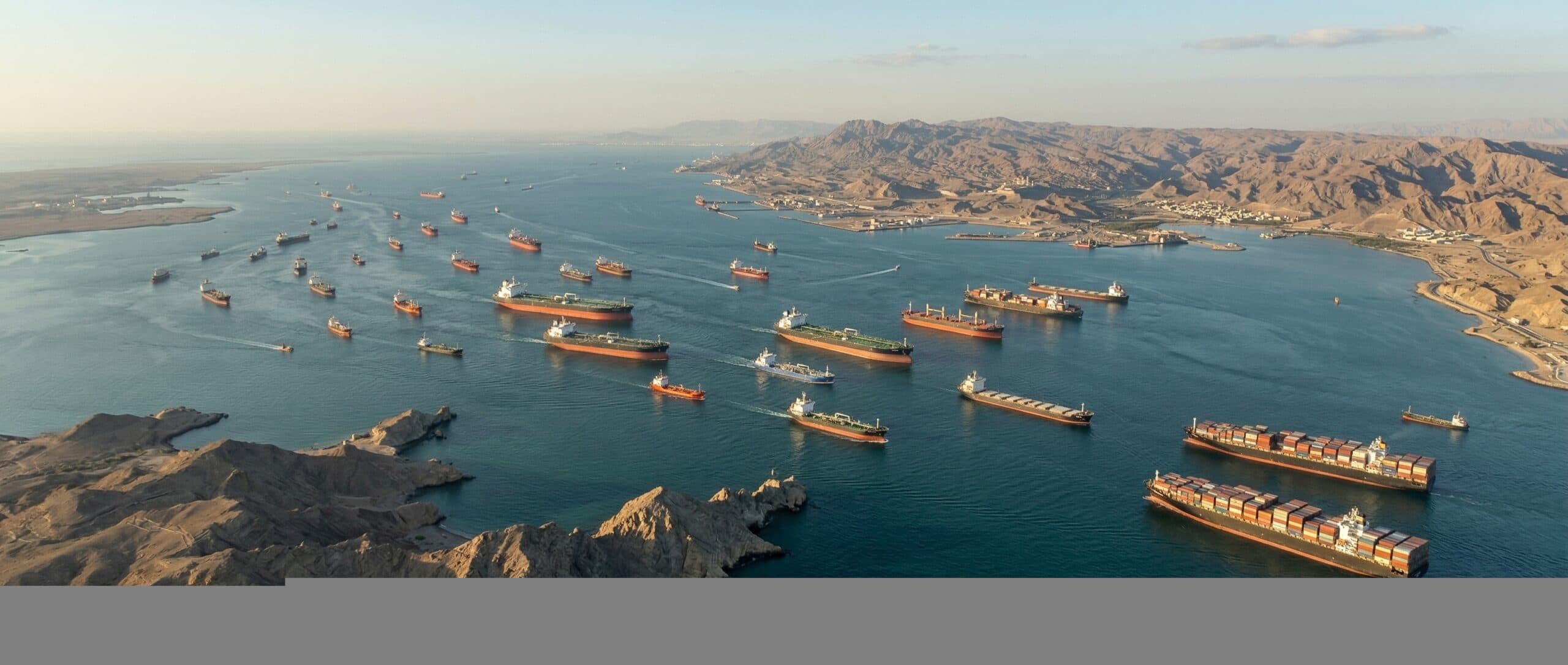
The stakes extend far beyond the battlefield. Attacks on civilian infrastructure are raising urgent war crime concerns, oil facilities are under direct threat, and the security of the Strait of Hormuz—a chokepoint for a fifth of the world’s oil transit—hangs in a precarious balance.
The Decisive Window: What U.S. Officials Are Signaling
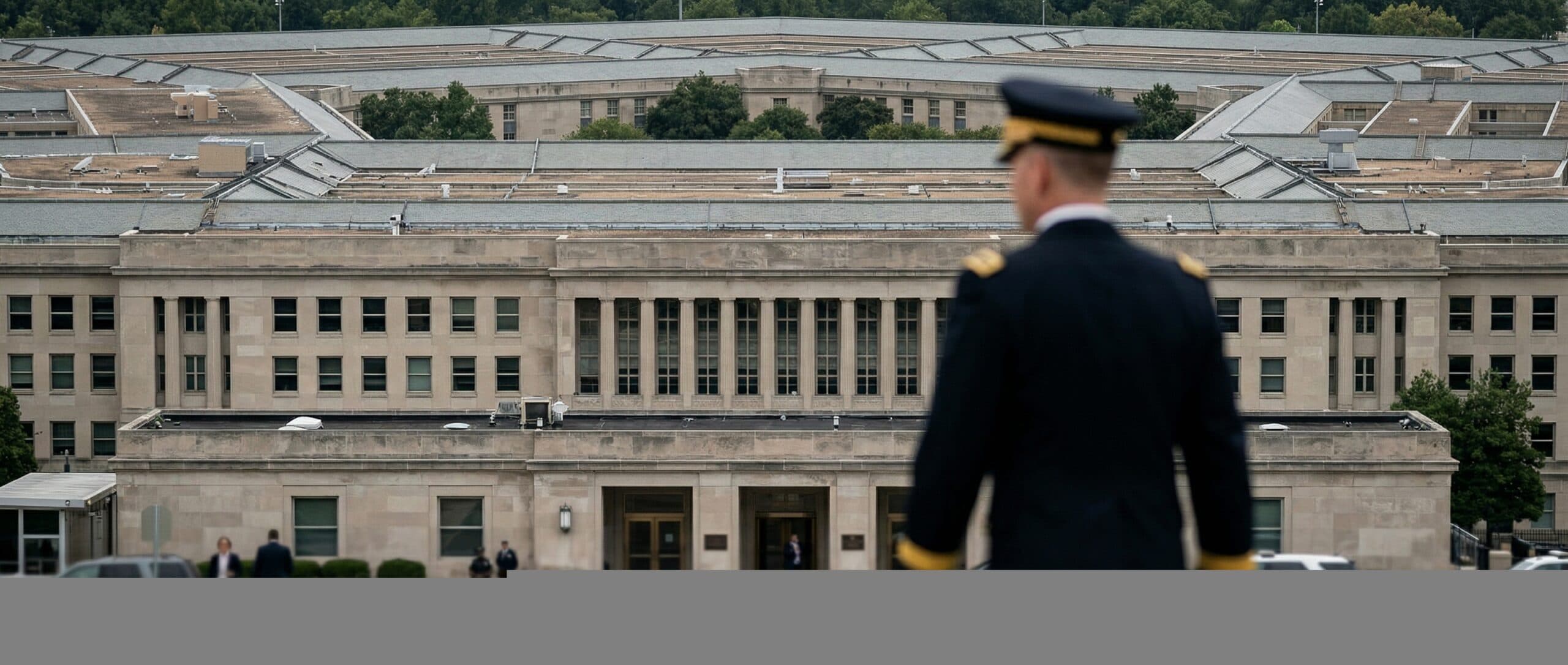
The language from the Pentagon has shifted from general deterrence to specific timeline warnings. In a briefing reported by Reuters, Defense Secretary Hegseth framed the coming days as a potential turning point, explicitly linking the possibility of intensification to Tehran’s willingness to negotiate. This specificity signals elevated urgency within U.S. military and diplomatic circles.
The warning is a clear message: the current operational tempo is not sustainable in a holding pattern. Either diplomacy yields a tangible result that allows for de-escalation, or the United States and its allies are prepared to broaden the scope of military operations. This moves the conversation from theoretical red lines to a concrete, time-bound decision node.
Escalation Triggers: What Could Broaden the War
The primary trigger, as cited by U.S. officials, is diplomatic collapse. Should negotiations fail outright, the stated consequence is a material intensification of the conflict. This could manifest in several ways, each carrying significant risk of regional spillover.
One critical pathway is the expansion of targeting beyond purely military objectives. Growing concern over attacks on civilian infrastructure—such as power grids, communication hubs, or transportation networks—fundamentally changes the nature of the conflict. Such actions deepen the humanitarian impact, create massive displacement, and dramatically increase international diplomatic friction.
Simultaneously, strikes on oil production and refining facilities present a direct threat to global energy markets. Hitting these nodes not only serves a military-strategic purpose but also draws in a wider array of economic stakeholders, from multinational energy companies to oil-importing nations, potentially compelling new forms of intervention.
Shipping Under Siege: The Hormuz Vulnerability
The strategic geography of the conflict makes the Strait of Hormuz its most critical and vulnerable pressure point. While global attention has been focused on disruptions in the Red Sea, security experts warn that Hormuz presents a far more difficult operational challenge.
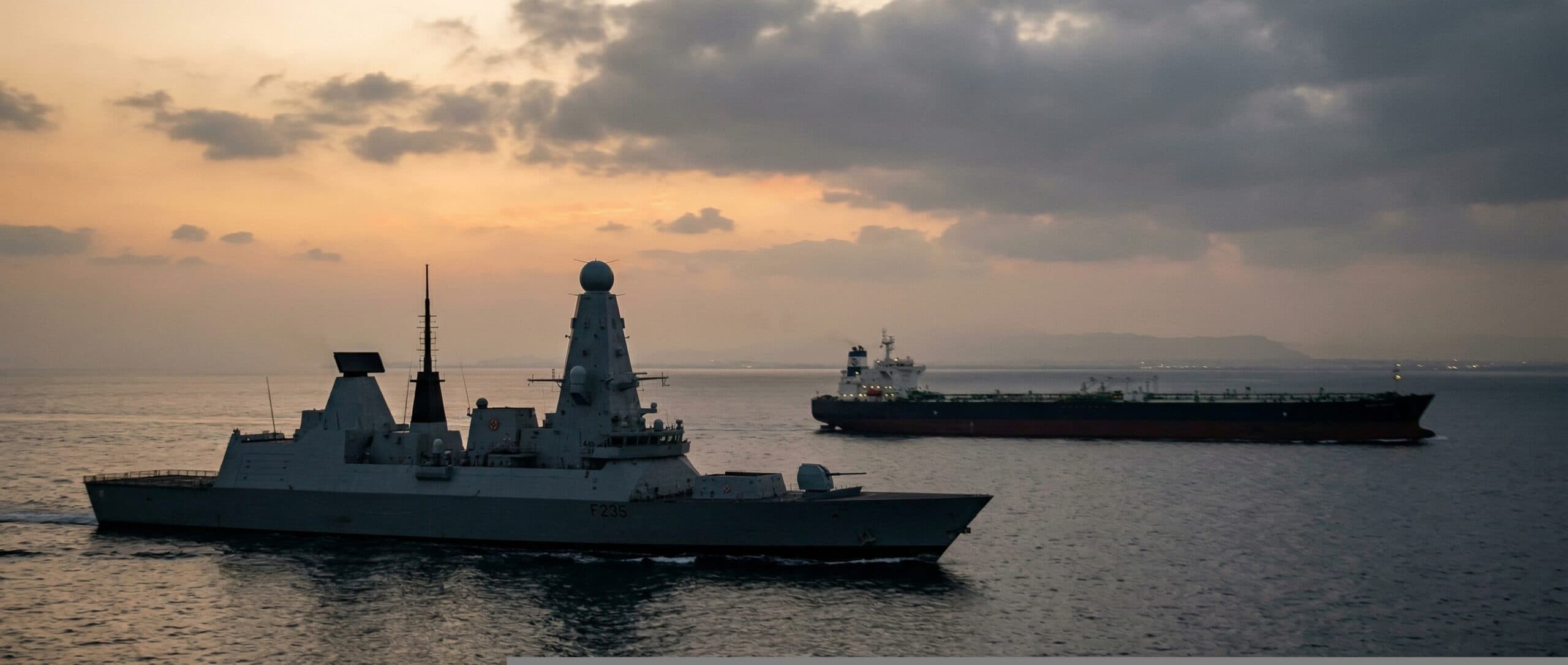
Western naval powers struggled to secure the Red Sea against sustained attacks, demonstrating the limits of even robust military deployments in protecting commercial shipping. The Strait of Hormuz, however, is a narrower, more congested, and more strategically vital artery. According to Reuters analysis, securing Hormuz will be harder. Disruption here—even partial or temporary—would have immediate and severe consequences for global oil and liquefied natural gas (LNG) transit, triggering price spikes, rerouting delays, and soaring maritime insurance costs.
The current force posture in the region, already stretched by concurrent missions, may be insufficient to guarantee safe passage through this chokepoint if the conflict escalates significantly. This vulnerability is a key factor in the global economic risk assessment.
Civilian Infrastructure and the War Crime Question
The targeting of civilian installations introduces a grave legal and humanitarian dimension. International humanitarian law, the framework governing armed conflict, is built on principles of distinction and proportionality. Attacks must distinguish between military objectives and civilian objects, and any incidental harm to civilians must not be excessive relative to the concrete military advantage anticipated.
Determining when an attack on infrastructure crosses into war crime territory is context-dependent and legally complex. As Reuters explains in a detailed analysis, the threshold is not automatic. It requires examining the intended target’s function, the expected civilian impact, and whether precautions were taken. Nevertheless, a pattern of strikes on dual-use or primarily civilian infrastructure creates a strong presumption of violations, intensifies global condemnation, and complicates any future diplomatic resolution.
The Deterrence Failure: What This Moment Reveals
The explicit timeline warning from Washington suggests that prior deterrence frameworks have not held as intended. Deterrence operates on the credibility of a threatened response convincing an adversary to refrain from action. The widening scope of attacks on infrastructure and the direct challenge to Hormuz shipping indicate that adversaries are not being constrained by existing red lines.
This moment may reflect a broader breakdown in escalation management—a situation where neither side’s signals are being interpreted as intended, or where the perceived costs of inaction now outweigh the risks of further escalation. It reveals a dangerous gap between the declared consequences and the actual constraints on behavior, pushing the conflict into a more unpredictable and volatile phase.
What Happens Next: Scenarios and Consequences
Outcomes in the next 72 to 96 hours remain uncertain, but three broad scenarios define the horizon. First, a diplomatic breakthrough could occur, leading to a ceasefire framework or a substantive de-escalation agreement that reduces the operational tempo. This remains the stated goal but appears least likely given the current rhetoric.
Second, diplomatic failure could trigger the warned-of intensification. This would likely see an expansion of air campaigns, more direct targeting of strategic economic assets, and a concerted effort by one or both sides to gain decisive military advantage, with significant regional spillover.
A third, hybrid outcome is also plausible: a state of continued, targeted strikes alongside ongoing but stalled negotiations. This would create a prolonged period of elevated conflict, constant crisis management, and sustained economic uncertainty without a clear off-ramp.
Global Ripple Effects: Energy, Markets, and Supply Chains
The immediate economic transmission channel is energy. The threat to Hormuz and direct attacks on oil facilities inject massive volatility into crude oil and natural gas markets. Prices can swing wildly on news of a single incident near the chokepoint.
Beyond spot prices, the commercial response is immediate. Shipping companies may reroute vessels, add war-risk insurance premiums that can skyrocket overnight, or suspend transits altogether. This disrupts just-in-time supply chains for energy and other commodities, affecting everything from manufacturing to consumer goods prices globally.
Business leaders with exposure to Middle East logistics, energy procurement, or regional markets are watching with acute concern. The next few days will determine whether this remains a contained, albeit severe, regional conflict or becomes a global economic shock event.
Frequently Asked Questions
Why are the next few days critical in the Iran war?
U.S. Defense Secretary Pete Hegseth has stated that the next several days will be “decisive,” warning that if Tehran does not agree to a deal, the conflict will intensify materially. This represents a narrowing window where either diplomacy succeeds or broader military escalation becomes more likely.
What does it mean for the Iran war to ‘widen’?
Widening means the conflict expands beyond its current scope—potentially through more intense strikes, attacks on civilian and oil infrastructure, regional spillover into neighboring areas, and direct threats to critical shipping lanes like the Strait of Hormuz.
How is the Strait of Hormuz at risk?
The Strait of Hormuz is a critical chokepoint for global oil and gas transit. Reporting indicates that Western powers struggled to secure the Red Sea against attacks, and Hormuz presents an even more difficult operational environment. Disruption here could have immediate global energy consequences.
Are attacks on civilian infrastructure considered war crimes?
Not automatically. International humanitarian law requires that attacks distinguish between military and civilian targets, and that civilian infrastructure attacks must meet specific legal thresholds—such as proportionality and military necessity—to potentially constitute war crimes. Context and intent matter significantly.
How could this affect global oil prices?
Threats to Hormuz shipping and attacks on oil facilities directly impact supply security. Even the credible threat of disruption can drive price volatility, increased shipping insurance costs, and supply chain rerouting—all of which affect global energy markets.
What did Pete Hegseth say about the Iran war?
U.S. Defense Secretary Pete Hegseth said the next few days in the war against Iran would be “decisive” and warned that the conflict could intensify if Tehran does not make a deal, according to Reuters reporting.
What are the possible outcomes in the next week?
Three broad scenarios: diplomatic breakthrough leading to de-escalation; diplomatic failure triggering wider military conflict with regional and economic spillover; or a hybrid outcome of continued strikes alongside ongoing but stalled negotiations.