Trump's Strait of Hormuz Remarks Signal Energy Security Concerns as Iran War Continues
President Trump is addressing U.S. anxiety about rising gas prices by emphasizing the strategic importance of the Strait of Hormuz, a critical oil shipping route. His comments highlight how Middle East conflict can ripple through global energy markets and consumer fuel costs.
A single shipping corridor in the Middle East has emerged as a focal point for concerns about global oil supply, U.S. fuel prices, and the geopolitical consequences of the ongoing war on Iran. President Donald Trump’s recent comments about countries that depend on oil flowing through the Strait of Hormuz are drawing attention not because of the quote alone, but because they signal how tightly linked Middle East conflict, energy security, and consumer economics have become.
The political and economic stakes of this moment extend far beyond any single remark. The Strait of Hormuz represents a critical vulnerability in global energy systems, and any instability in the region can quickly translate into price pressure at the pump for millions of Americans. Understanding what Trump said, why it matters, and what it reveals about energy security in a time of regional conflict requires unpacking both the immediate news and the broader strategic context.
What Trump Said and Why It Drew Attention
According to reporting from AP News, Trump told countries that depend on oil from the Strait of Hormuz that they “must grab it and cherish it.” The comment landed in the context of rising U.S. gas prices and the continuing military conflict involving Iran, creating a moment where foreign policy, energy markets, and domestic political pressure converged.
The remarks appear designed to reassure Americans and international partners that the U.S. administration is focused on energy security even as regional tensions persist. By invoking the Strait of Hormuz by name, Trump is drawing public attention to a strategic resource that many people outside policy circles may not fully understand. The comment is relatively brief, but it carries weight because it explicitly acknowledges the connection between Middle East stability, oil supply, and the concerns of ordinary consumers worried about fuel costs.
The timing matters. Gas prices have been a consistent source of political pressure, and framing the administration’s approach to regional conflict through an energy-security lens allows Trump to connect foreign policy decisions to kitchen-table economics. The remark also signals to international observers that the U.S. is aware of the strategic importance of this waterway and is monitoring the situation closely.
Why the Strait of Hormuz Is So Important
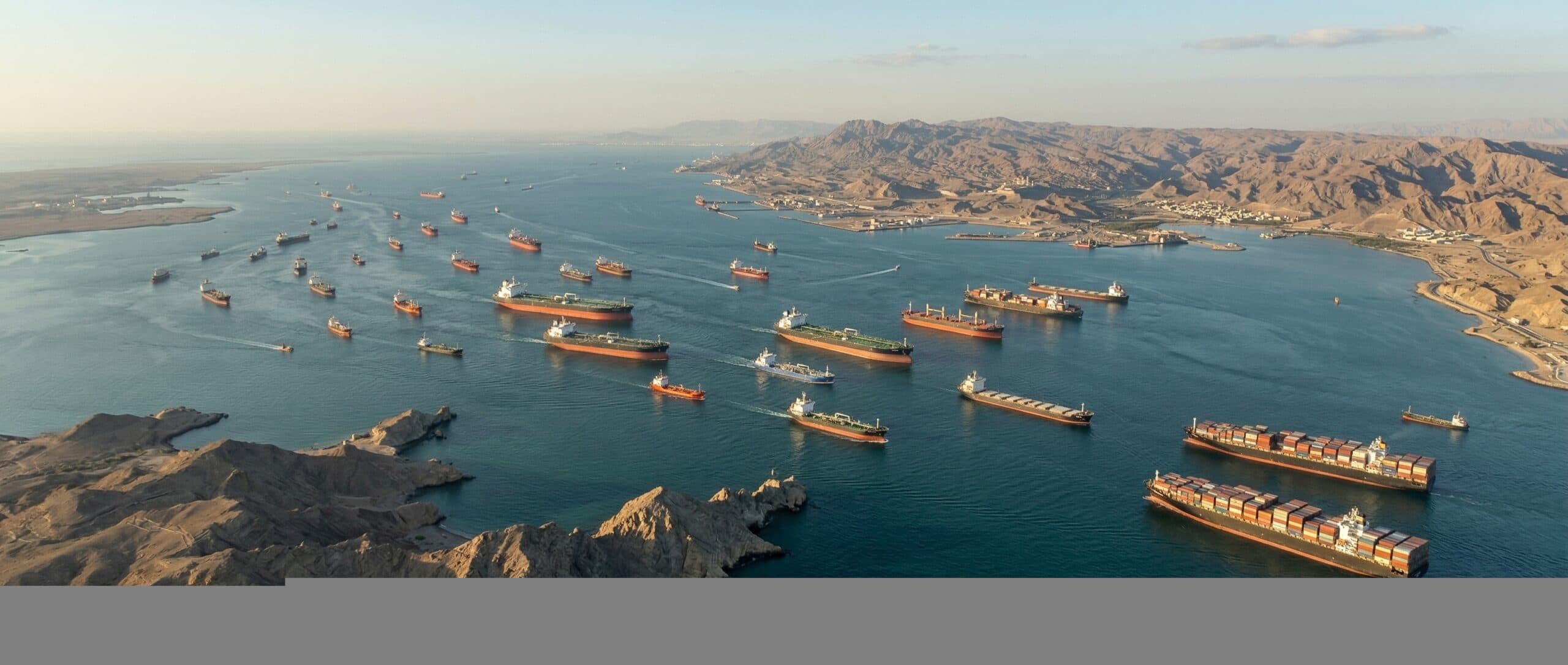
For readers unfamiliar with the geography and economics of global energy markets, the Strait of Hormuz might seem like an obscure geographic feature. In reality, it is one of the world’s most critical chokepoints for oil supply, and its strategic importance cannot be overstated.
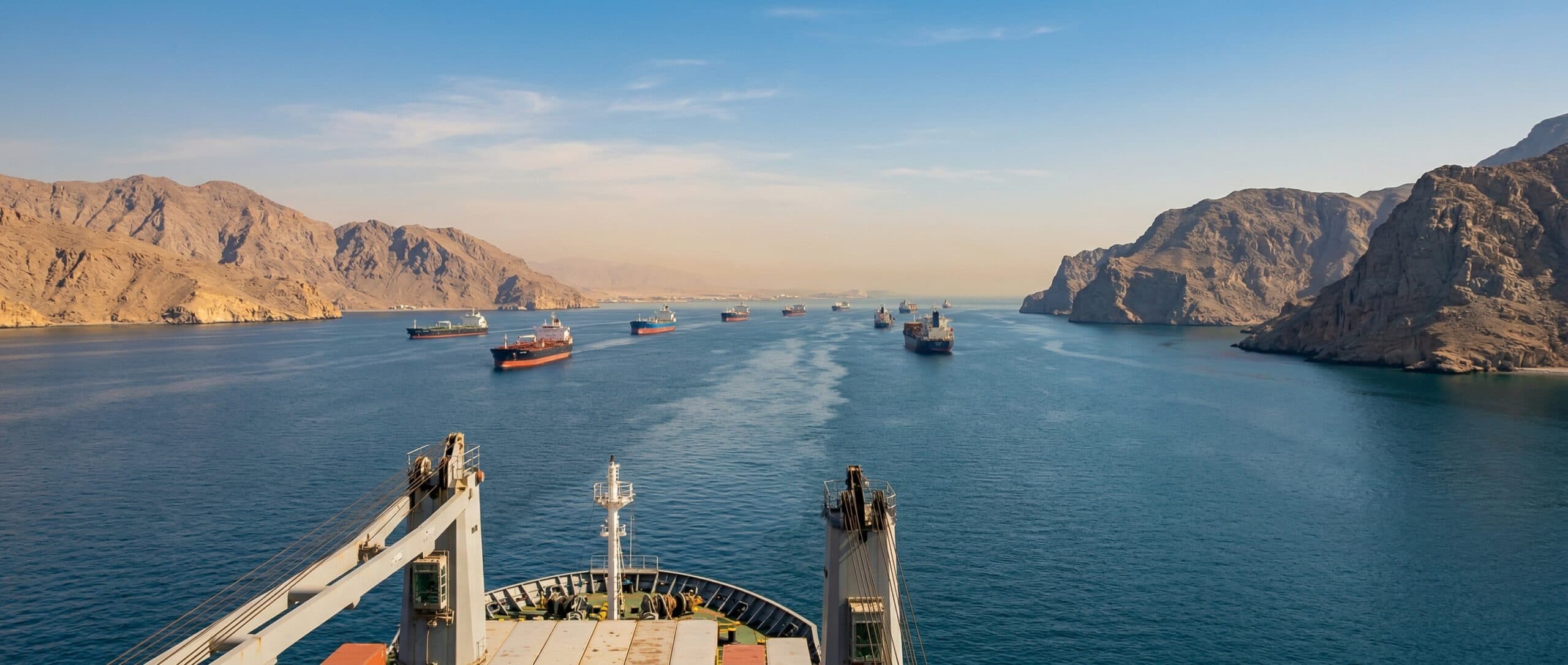
The Strait of Hormuz is a narrow waterway between Iran and Oman that connects the Persian Gulf to the Gulf of Oman and the Arabian Sea. It is roughly 21 miles wide at its narrowest point, and this confined passage handles an enormous share of the world’s seaborne oil trade. Estimates suggest that approximately one-third of all globally traded oil passes through the Strait each day. For many countries, particularly in Asia and Europe, the Strait is the primary route for importing crude oil and refined petroleum products.
This concentration of energy traffic through a single geographic chokepoint creates inherent vulnerability. Any disruption to shipping in the Strait—whether from military conflict, accidents, sanctions enforcement, or political instability—can immediately affect global oil prices. Because oil markets respond quickly to perceived supply risks, even the threat of disruption can drive prices higher before any actual interruption to shipments occurs.
The countries most directly dependent on the Strait include major global economies like Japan, South Korea, India, and several European nations. For these countries, any threat to the security of this passage is not an abstract geopolitical concern; it is a direct threat to their energy supply and economic stability. The Strait’s importance also means that disruption there can ripple through global markets, affecting fuel prices in the United States and elsewhere even if a particular country does not directly import oil from the Persian Gulf.
How the War on Iran Changes the Energy Picture
The Strait of Hormuz sits at the intersection of geopolitics and energy security because Iran borders the waterway and has historically used the threat of disrupting traffic there as a tool of leverage during periods of conflict or international tension. The ongoing war on Iran makes concerns about Strait security more immediate and tangible.
During military conflicts in the Middle East, the risk calculation for shipping companies and oil traders shifts. Insurance costs for vessels transiting the Strait can rise. Some shipping companies choose alternative, longer routes to avoid the perceived risk, which increases costs and can constrain supply to markets. Even without an actual disruption, these behavioral changes can create upward pressure on oil prices.
The connection between regional conflict and oil prices is well understood by markets and policymakers. When tensions rise in the Middle East, traders immediately begin factoring in a risk premium—essentially pricing in the possibility that supplies might be disrupted. This premium can persist for weeks or months, even if no actual disruption occurs. It is one way that geopolitical risk becomes economic risk almost instantaneously.
For the United States, which has been focused on managing public concern about rising gas prices, the implications are significant. Higher oil prices feed into higher gas prices at the pump, which affects consumer sentiment and becomes a political issue. This is why Trump’s comment about the Strait is tied to U.S. domestic economic anxiety. By appearing to take seriously the strategic importance of this waterway and the need to protect oil supplies flowing through it, the administration is trying to signal that it is aware of and managing the energy security risk posed by the conflict.
What Trump May Be Trying to Accomplish Politically
The political dimension of Trump’s comment should not be overlooked. The statement appears designed to accomplish several things simultaneously: reassure American consumers that the administration is focused on energy security, signal to international partners that the U.S. is committed to protecting global oil supply, and frame the broader conflict in terms that connect directly to everyday economic concerns.
Energy prices have long been a driver of public opinion and political outcomes. When consumers see rising gas prices, they often blame the sitting administration, regardless of the underlying causes. This is particularly true during periods of international conflict, when the connection between geopolitics and fuel costs becomes more visible to ordinary people. By emphasizing the Strait of Hormuz and its importance to global oil markets, Trump is essentially saying to the American public: “We understand what is at stake here, and we are thinking about how to protect your interests.”
There is also an implicit message to countries that depend on the Strait—particularly allies—that the U.S. is aware of and concerned about their energy security. This can be a way of signaling commitment to regional stability and protection of critical infrastructure, even amid broader conflicts.
It is important to distinguish between the political messaging and the actual market or security impact. The comment itself does not change the military situation or eliminate the risk of disruption to the Strait. Rather, it reflects an awareness of the strategic stakes and an attempt to shape public and international expectations about how the administration views energy security in the context of regional conflict.
Who Is Exposed If the Strait of Hormuz Is Disrupted
Understanding vulnerability requires identifying the specific groups and systems that would feel the impact first if the Strait faced serious disruption.
Countries that import significant quantities of oil through the Strait—including Japan, South Korea, India, and several European nations—would face the most immediate pressure. For these economies, alternative energy sources cannot be accessed quickly enough to replace a sudden loss of supply through the Strait. They would face either rapidly rising energy costs or potential shortages, either of which would ripple through their economies.
Global oil markets would experience sharp price movements. Traders would likely bid up the price of oil aggressively in response to any verified disruption, as they compete for available supplies and price in the risk of further problems. Consumers in the United States and worldwide would see these price increases reflected at the pump.
Shipping companies and maritime operators would face increased insurance costs, potential rerouting of vessels to longer and more expensive routes, and possible physical risks if military conflict intensifies. Some shipping operators might choose to pause operations in the region temporarily until conditions stabilize.
U.S. consumers would ultimately feel the effects through higher gas and diesel prices. Even though the United States does not import large quantities of oil from the Persian Gulf directly, the global nature of oil markets means that disruption there affects prices everywhere. This is one reason why Middle East energy security is a U.S. national interest, and why Trump’s comment linking the Strait to broader U.S. concerns about gas prices reflects an understanding of how interconnected energy markets have become.
What to Watch Next
The immediate focus for observers should be on several indicators that will help clarify whether the situation is moving toward stability or further risk.
Further statements from Trump, his administration, or other U.S. officials about the Strait or energy security could provide more detail about how the U.S. plans to approach these concerns. Will the administration take concrete steps to ensure freedom of navigation in the Strait? Will there be efforts at diplomatic de-escalation regarding Iran that could reduce tensions around this chokepoint?
Signs of escalation or de-escalation in the war on Iran will matter significantly. Any military action that directly affects shipping in the Strait, or any statements from Iranian officials about potential disruption, would immediately shift market expectations and public concern. Conversely, any diplomatic progress or statements suggesting a reduction in conflict could ease some of the risk premium currently in oil prices.
Oil and gas price expectations will reflect market assessment of these risks in real time. Traders and analysts will be monitoring both the price of crude oil futures and retail gas prices to gauge how much risk the market is pricing in. Significant movements in these prices, or statements from energy analysts about expected price trajectories, will provide signals about how the market is assessing the energy security risk posed by the ongoing conflict.
The Strait of Hormuz will remain a live geopolitical and energy-security issue for as long as Middle East conflict continues and oil remains a critical global energy source. Trump’s remarks underscore how quickly a regional military conflict can connect to global economic outcomes and consumer welfare.
Frequently Asked Questions
What did Trump say about countries that rely on oil from the Strait of Hormuz?
According to AP News reporting, Trump told those countries that they “must grab it and cherish it.” The comment appears aimed at reassuring both Americans and international partners that the administration is focused on protecting energy supplies flowing through this critical waterway.
Why is the Strait of Hormuz so important?
The Strait of Hormuz is a major oil shipping chokepoint through which approximately one-third of the world’s seaborne oil trade passes daily. Because so much of the global oil supply depends on this narrow passage between Iran and Oman, any disruption there can quickly affect oil prices worldwide and ripple through energy markets and consumer fuel costs.
How does the war on Iran relate to gas prices?
The conflict raises concern about possible disruption to oil shipping and supply through the Strait of Hormuz. When geopolitical risk increases in the Middle East, oil traders typically add a risk premium to prices, which can drive up oil and gas prices even before any actual disruption occurs. This is why regional military conflicts often feed into higher fuel prices for consumers.
Is this about U.S. domestic politics or foreign policy?
It is both. Trump’s remarks connect geopolitical risk to the domestic political concern about rising gas prices. By emphasizing the strategic importance of the Strait of Hormuz, the administration is attempting to frame its approach to Middle East conflicts in terms that directly relate to American consumer economics.
Who would be affected if the Strait of Hormuz faced disruption?
Multiple groups would feel the impact. Countries that depend on the Strait for oil imports—including Japan, South Korea, India, and several European nations—would face immediate supply pressure. Global oil markets would experience sharp price increases. Shipping operators would face higher costs and risks. Ultimately, U.S. consumers and consumers worldwide would see higher fuel prices as the global oil market responded to any disruption.
Does the reporting say oil shipments have already been cut off?
No. The provided reporting reflects concern and strategic context around the Strait of Hormuz and the ongoing war on Iran, but it does not indicate that an actual disruption to oil shipments has already occurred. The focus is on the political and economic implications of the vulnerability this chokepoint represents.