How Russia's Federal Security Service Is Tightening Its Grip on Society
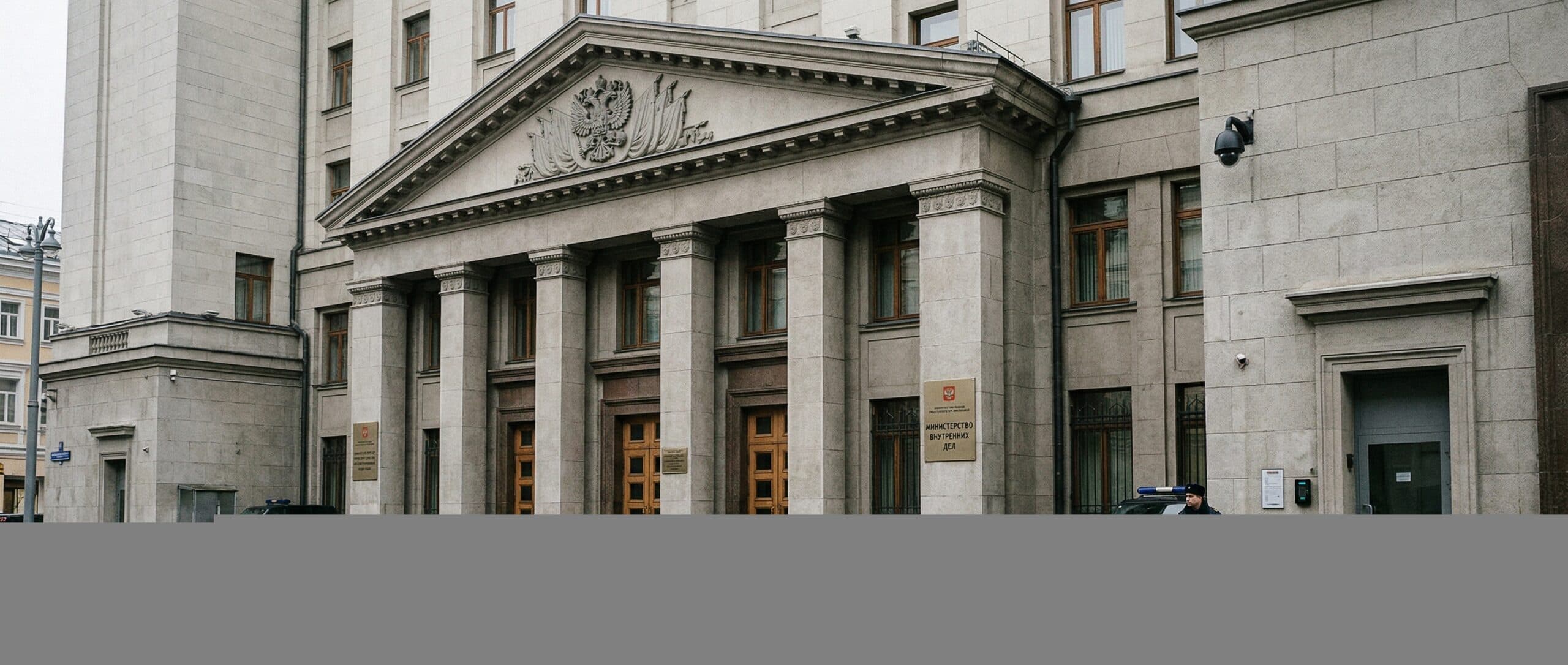
Bloomberg reports that Russia's FSB is expanding surveillance powers far beyond traditional security concerns, deepening the state's reach into economic and social life as part of Vladimir Putin's broader strategy to suppress dissent and consolidate control.
Russia’s Federal Security Service is expanding its surveillance and control powers in ways that reach far beyond traditional security concerns, according to fresh reporting from Bloomberg. The development signals a deepening of state intrusion into economic and social life—and a narrowing of space for dissent within Vladimir Putin’s Russia.
The practical significance is clear: as the FSB’s authority expands, so does the state’s ability to monitor, influence, and suppress activity across Russian society. For analysts tracking Russia’s internal politics and geopolitical risk, the move represents another step in the consolidation of power that has defined Putin’s governance model for more than two decades.
Understanding what is changing inside Russia’s security apparatus—and why it matters—requires looking at both the immediate policy shift and what it reveals about the structure of Putin’s rule and the increasing centrality of security services to maintaining it.
What Bloomberg Reports Is Changing Inside Russia
Bloomberg’s reporting indicates that Russia’s Federal Security Service is expanding sweeping surveillance powers in ways that extend the state’s reach into economic and social life. This is not a modest adjustment to existing capabilities. The reporting frames the development as part of a broader tightening of internal control—a deepening of state oversight that goes beyond the traditional domain of security and intelligence work.
The immediate implication is that more of Russian society will fall under the observation and potential regulation of the security apparatus. Citizens, businesses, and institutions operating in Russia’s economic and social spheres now face a more expansive state presence. The mechanism is surveillance; the objective appears to be identifying and suppressing any risk of dissent to Putin’s rule.
This expansion is not happening in isolation. It reflects a pattern of state consolidation that has accelerated under Putin’s tenure, with security institutions moving from the periphery of governance into its center.
Why the FSB Matters in Putin’s System
To understand the significance of the FSB’s expanded powers, it helps to understand what the agency is and why it holds such a central position in Russian governance.
The Federal Security Service, or FSB, is Russia’s main domestic security agency. It is the successor to the Soviet KGB and retains much of the institutional culture and operational reach of its predecessor. Within Putin’s political system, the FSB serves as a pillar of state power—the institution tasked with identifying threats to the regime and suppressing them before they can take organized form.
Putin himself spent sixteen years working for the KGB and later led the FSB before his rise to the presidency. That background is not incidental to understanding how Russia is governed. The security services are not simply one agency among many in Russia’s bureaucracy; they are foundational to how the state maintains control and how the regime processes political risk.
When the FSB’s surveillance powers expand, it means the state’s ability to enforce loyalty and discourage opposition also expands. It creates more vectors for the regime to detect dissent, pressure individuals and institutions into compliance, and preempt organized resistance before it forms. In a political system built around control and risk prevention, expanded security authority is consistent with the broader project of regime consolidation.
How Surveillance Reaches Beyond Politics
What distinguishes this reported expansion from routine security work is its scope. The research indicates that the state’s reach is deepening not only into political opposition and activism, but also into economic and social life more broadly.
This distinction matters because it suggests the FSB is not simply watching overt dissidents or tracking opposition organizations. Instead, the surveillance apparatus is being woven more tightly into the fabric of everyday Russian life and institutional activity. That creates several consequences.
First, it expands the state’s ability to identify potential dissent before it becomes explicit or organized. People and institutions operating in Russia now face the awareness that their economic and social activity is subject to state scrutiny. That awareness alone can shape behavior—encouraging self-censorship, discouraging independent organizing, and making individuals and businesses more likely to avoid any activity that might draw official attention.
Second, it gives the state more leverage over institutions and individuals. If the FSB has visibility into economic and social activity, it can use that information to apply pressure, demand compliance, or extract cooperation from people and organizations that have little incentive to resist a security agency.
Third, it blurs the line between security work and social control. The FSB is no longer simply a counterintelligence and counterterrorism agency; it is becoming an instrument for managing the state’s relationship with society as a whole.
What This Says About Putin’s Governing Strategy
The expansion of FSB surveillance powers fits a recognizable pattern in how Putin’s Russia is governed. The direction of travel is consistently toward deeper state intrusion, greater centralization of power, and a larger role for security institutions in political and social life.
This is not a new pattern, but the latest reporting suggests it is intensifying. Suppressing dissent appears to be a central objective, not a side effect. And the strategy for suppressing dissent is increasingly to embed state oversight so deeply into society that dissent becomes not just dangerous but logistically difficult—because potential dissenters operate under constant awareness of state scrutiny and have little protected space in which to organize.
Viewed from this perspective, the FSB’s expanding surveillance capabilities represent another building block in a broader model of governance: one that privileges control over openness, conformity over pluralism, and regime stability over institutional independence or public deliberation.
What makes this model resilient, from the regime’s perspective, is that it does not require constant active repression. It works through prevention—by making dissent seem impossible before it ever forms. The expanded surveillance capacity is an investment in that preventive apparatus.
Why This Matters for Russia Watchers and the Outside World
For readers outside Russia, the significance of the FSB’s expanded powers might not be immediately obvious. Why should people in other countries care about changes to Russia’s security apparatus?
The answer lies in how internal control systems affect state behavior and political risk. A regime that is focused on suppressing internal dissent and tightening control over society is making a statement about its priorities and its fears. It suggests a leadership that is concerned about instability, worried about the regime’s resilience, and willing to invest heavily in preventing challenge from within.
That has implications for geopolitical analysis. A regime focused primarily on internal control and dissent suppression may behave differently internationally than one confident in its domestic legitimacy. It may be more aggressive in foreign policy to rally nationalist sentiment at home. It may be more resistant to international pressure because domestic audiences have little independent information on which to base alternative views. It may double down on policies that enhance centralized control rather than shift course in response to changing circumstances.
Additionally, the story is relevant for analysts and investors assessing political risk in Russia. The expansion of surveillance and state control is a signal about how the regime sees its own stability. It suggests that internal pressures exist and that the regime believes investment in security and control infrastructure is necessary to manage them.
For businesses and institutions operating in Russia, the practical consequence is that regulatory oversight and state surveillance will likely become more intrusive. That is a risk factor for operations, compliance, and exposure to official pressure.
What Remains Uncertain
It is important to be clear about what the provided reporting does specify and what remains unclear. Bloomberg’s coverage indicates that the FSB is expanding surveillance powers and that the reach extends into economic and social life. That much is grounded in reported research.
What the reporting does not detail are the specific legal mechanisms of the expansion, the exact enforcement procedures, or the granular operational details of how the new powers will be implemented. The research summary does not break down which sectors or institutions are being targeted, what specific surveillance technologies are being deployed, or how quickly the expansion is occurring.
The safest and most accurate interpretation based on the available information is that the trend is toward more surveillance, more state oversight, and more embedding of security authority into economic and social life. Beyond that, the reporting invites further investigation and explanation rather than definitive conclusions about specific mechanisms or timelines.
Frequently Asked Questions
What is the FSB in Russia?
The FSB, or Federal Security Service, is Russia’s main domestic security agency. It is the successor to the Soviet KGB and is responsible for counterintelligence, counterterrorism, and internal security within Russia. In the context of this reporting, the FSB is the institution expanding surveillance powers and deepening state control over Russian society.
Why does the FSB tightening its grip matter?
Expanded FSB surveillance powers matter because they allow the state to monitor more of society, suppress dissent more effectively, and deepen Vladimir Putin’s control over Russian institutions and daily life. The development represents a consolidation of power within the security apparatus and a narrowing of space for independent activity or opposition.
Is this only about political opposition?
No. The reporting indicates that the state’s reach is extending into economic and social life as well, not just political activity. This suggests a broader pattern of state oversight and control that affects businesses, institutions, and citizens across multiple domains of Russian life.
Why is this significant for geopolitics readers?
It matters for geopolitical analysis because it reveals how Russia is governed internally and what that may signal about regime stability, policy priorities, and international behavior. Regimes focused on internal control and dissent suppression may behave differently internationally and may be less responsive to external pressure or incentives for policy change.
What does Bloomberg’s reporting indicate?
Bloomberg’s reporting indicates that Russia’s Federal Security Service is expanding sweeping surveillance powers and extending its influence further into economic and social life. The development is framed as part of a broader effort to tighten state control and suppress potential dissent to Putin’s rule.
What is the main takeaway from this development?
The main takeaway is that Putin’s Russia appears to be tightening internal control by giving its security apparatus a larger and more intrusive role in monitoring and constraining society. The expansion of FSB surveillance is not an isolated policy change but part of a broader consolidation of power within the security services and a deepening of state oversight over Russian life.