Trump Says Securing Strait of Hormuz Is ‘Not for Us,' Signaling Broader Alliance Tensions Over Iran
President Trump's criticism of allies over the Strait of Hormuz reveals deeper friction over who should bear the burden of confronting Iran and protecting one of the world's most critical shipping routes.
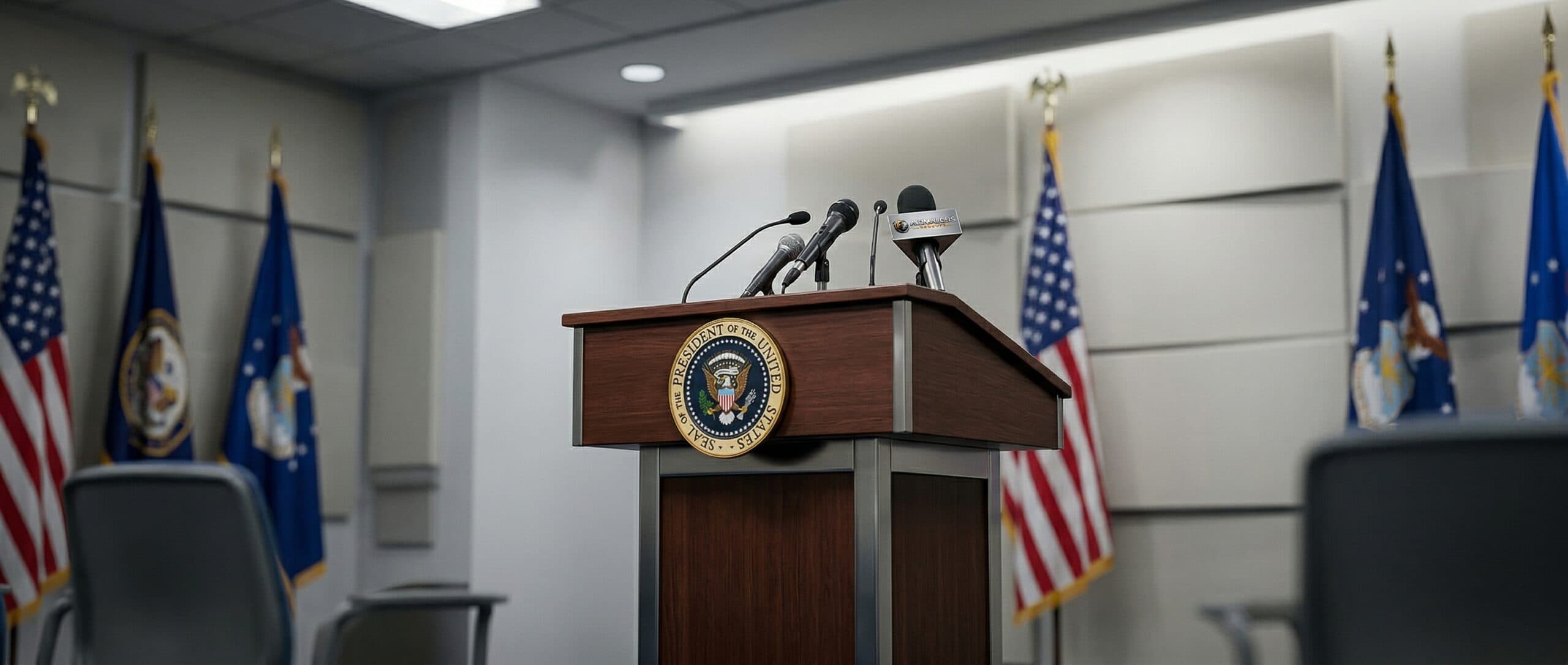
President Donald Trump’s latest remarks about the Strait of Hormuz have reignited a central tension underlying U.S. strategy in the Middle East: who should bear the burden of containing Iran and protecting one of the world’s most vital maritime chokepoints. In comments signaling frustration with allied partners, Trump said securing the Strait of Hormuz is “not for us,” while simultaneously criticizing allies for not doing more to support the U.S. war effort against Iran.
The statement captures a larger argument about burden-sharing, regional security coordination, and the limits of American willingness to shoulder military and diplomatic responsibility alone. The Strait of Hormuz is not merely a strategic location—it is a global economic chokepoint through which roughly one-fifth of the world’s oil passes. Any security crisis there ripples through energy markets, shipping routes, and the financial systems that depend on stable supply chains.
Trump’s remarks, reported by AP News, underscore a widening gap between Washington’s expectations of its allies and the willingness of those partners to commit resources and political capital to the Iran confrontation. The comment is less about a single waterway and more about who pays, who protects, and who risks in a prolonged regional conflict.
Why the Strait of Hormuz Matters
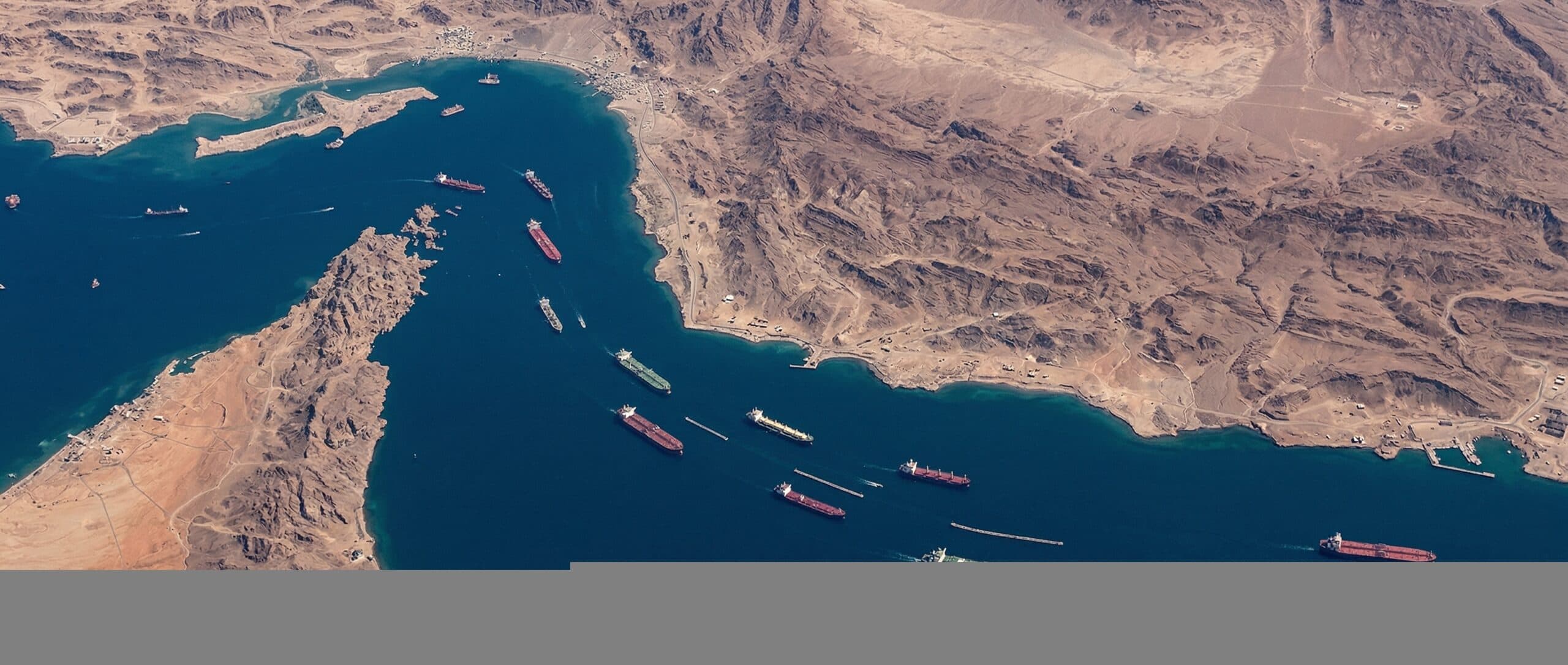
The Strait of Hormuz is a 21-mile-wide passage of water connecting the Persian Gulf to the Gulf of Oman and the Arabian Sea. Its narrowness and geography make it one of the world’s most strategically important maritime corridors. Roughly 20 percent of global oil supplies pass through the Strait each day, moving from the world’s largest oil producers in the Gulf to markets across Asia, Europe, and beyond.
For decades, the Strait has been treated as a critical geopolitical chokepoint. Control of, or disruption to, shipping through the waterway carries immediate consequences for energy prices, international trade, and regional security. During periods of heightened tension between the U.S. and Iran, the Strait has repeatedly become a flashpoint. Threats to block the passage or attacks on shipping have been used as negotiating tools and sources of strategic leverage.
Any security debate about the Strait, therefore, extends far beyond military operations. Maritime insurance costs, oil futures markets, and corporate supply-chain planning all react to uncertainty in the region. A single incident—a collision, an attack on a vessel, or military posturing—can trigger cascading economic effects felt in markets thousands of miles away.
The Alliance Dispute Underlying the Headline
Trump’s comment about the Strait being “not for us” is best understood in the context of his broader criticism of allies. The President has expressed frustration that partners in the Middle East and Europe are not contributing enough to the confrontation with Iran. This reflects a longstanding tension in U.S. foreign policy: how much should America’s allies share in the costs and risks of regional conflicts that may not directly threaten them to the same degree they threaten the United States.
The issue is not simply one of military hardware or troop deployments. It is also about political will, financial commitment, and willingness to accept the diplomatic and economic consequences of confrontation with Iran. Gulf allies such as Saudi Arabia and the United Arab Emirates have their own security concerns and trade relationships to balance. European partners have pursued diplomatic engagement with Iran alongside American pressure. These divergent approaches create friction.
By framing the security of the Strait as “not for us,” Trump is signaling that responsibility should be more evenly distributed. The phrasing carries both a military and a political implication: he is suggesting that allies who benefit from the free flow of shipping and energy through the Strait should do more to ensure that flow remains secure. The criticism is rooted in a burden-sharing argument that has become increasingly prominent in Trump’s approach to alliances across multiple regions.
This reframing of responsibility—away from automatic American leadership and toward shared accountability—represents a significant rhetorical shift. It signals that the U.S. may be less willing to unilaterally shoulder the costs of maintaining regional stability, and that it expects partners to step up or face reduced American commitment.
Implications for the Broader War Effort Against Iran
The tension over the Strait of Hormuz reflects a deeper uncertainty about how the U.S. and its allies will approach the Iran conflict going forward. Sustained military, diplomatic, or economic pressure on Iran requires coordination. Without allied support—whether in the form of military assistance, economic sanctions enforcement, or public backing—American policy becomes harder to sustain and more costly to implement.
Trump’s comments suggest that this coordination is under strain. If allies perceive that the U.S. expects them to do more without offering greater incentives or security guarantees, cooperation could fracture. Conversely, if the U.S. reduces its own commitment to protecting the Strait and regional shipping, it risks creating a vacuum that could be filled by Iran or other actors.
The issue also touches on questions of deterrence. A credible security presence in the region—whether through military assets, joint patrols, or coordinated defense arrangements—depends partly on allied participation. If that participation is perceived as inadequate, the deterrent effect may weaken, potentially encouraging more aggressive Iranian behavior or attacks on shipping.
Over the long term, the dispute may reshape how the U.S. coordinates with allies in the Middle East. It could lead to new agreements on burden-sharing, changes in military postures, or a redrawing of expectations about who is responsible for what. Or it could lead to further fragmentation, with allies pursuing their own strategies and the U.S. operating more independently.
Why Markets and Shipping Watchers Should Care
The significance of Trump’s remarks extends beyond diplomacy and military strategy into economics and trade. Shipping companies, insurers, oil traders, and multinational corporations that rely on Middle Eastern energy and Asian manufactured goods all depend on the Strait of Hormuz remaining open and secure. Uncertainty about security there translates directly into business risk.
When tensions rise around the Strait, several cascading effects typically follow. Maritime insurance premiums increase, reflecting higher risk. Oil prices become more volatile as traders worry about potential supply disruptions. Shipping routes may be rerouted around the Cape of Good Hope at the southern tip of Africa, adding time and cost to journeys. Supply-chain managers build in buffers and contingencies, raising operating costs across industries.
The alliance tension that Trump’s comments highlight adds another layer of uncertainty. If the U.S. and its allies are not coordinating effectively on Strait security, the risk of miscalculation—or of a security vacuum that creates opportunity for Iranian action—rises. This uncertainty itself can affect market behavior. Investors and business planners adjust positions and strategies based on perceived risk, and that adjustment affects capital flows, commodity prices, and corporate decisions about investment and expansion.
For business readers and market participants, the story is not primarily about Trump’s rhetoric. It is about what that rhetoric signals about the credibility and coordination of the security umbrella that protects one of the world’s most important commercial arteries. Any question mark over that protection is a question mark over global trade stability.
What to Watch Next
The immediate question is whether Trump or other senior U.S. officials will elaborate on the burden-sharing dispute and what specific actions or commitments the U.S. is seeking from allies. Will the administration issue formal demands? Will it tie aid or security guarantees to compliance with those demands?
Equally important is how allies respond. Public statements from Gulf partners and European nations about their commitment to Strait security and Iran containment will signal whether Trump’s criticism triggers a shift in behavior or if it merely becomes another data point in an ongoing disagreement about burden-sharing.
Watch also for whether the Strait of Hormuz becomes a more explicit focal point of U.S. policy planning and public messaging. If the administration makes Strait security a centerpiece of its Iran strategy, that could lead to new military deployments, joint task forces, or formal agreements with allies. Conversely, if Trump moves on to other issues, the remark may fade without leading to major policy changes.
Finally, track Iranian responses and behavior. If Tehran perceives that U.S. and allied coordination on Strait security is weakening, that could embolden more aggressive posturing or attacks on shipping. Conversely, if the U.S. and allies present a united front, deterrence may be reinforced. The balance of these dynamics will help determine whether the Strait remains a stable corridor for global commerce or becomes a flashpoint for escalation.
Frequently Asked Questions
What did Trump say about the Strait of Hormuz?
He said securing the Strait of Hormuz is “not for us,” while criticizing allies for not doing more to support the U.S. war effort against Iran. The comments suggest Trump believes the burden of securing this vital waterway should be more evenly shared among nations that benefit from its security.
Why is the Strait of Hormuz important?
The Strait of Hormuz is a strategically vital maritime chokepoint through which approximately 20 percent of the world’s oil supply passes daily. Any instability or disruption there has immediate implications for energy prices, international shipping, and global economic stability.
Why does this comment matter beyond politics?
Because the Strait’s security directly affects international shipping, energy markets, and the broader risk environment around the Iran conflict. Business readers, traders, and supply-chain managers all face uncertainty and potential cost increases when security at the Strait is questioned.
Is this mainly a military story or a diplomatic one?
It is both. The remark touches on military burden-sharing, diplomatic coordination among allies, and the politics of how to respond to Iran. It reflects disagreement about who should contribute what to a sustained regional security effort.
Who is Trump blaming?
According to the reporting, Trump is blaming allies he says have not done enough to support the U.S. effort against Iran. He did not name specific countries in the reported comments, but the criticism is directed at partners in the Middle East and beyond.
Does this mean the U.S. will not help secure the Strait?
The provided reporting does not establish a formal policy change or withdrawal of U.S. commitment. Rather, Trump’s comment frames the issue as a burden that should not fall on the U.S. alone. It is best understood as a signal of frustration and a call for allies to do more, not necessarily as an announcement that America is stepping back.
How could this affect global shipping?
Any instability or uncertainty around the Strait of Hormuz can increase concern about shipping disruptions, raise maritime insurance costs, affect oil prices, and disrupt supply chains. If allied coordination on Strait security weakens, the risk of incidents increases, which would ripple through global commerce.